Dialysis
Advanced Dialysis Infrastructure & Renal Care Excellence

Sri Chakra Multispeciality Hospital provides advanced and well-structured dialysis services with a strong focus on patient safety, comfort, and quality care. Our dialysis unit is equipped with 5 dedicated beds, with a separate hemodialysis machine for each bed, ensuring individualized treatment for every patient.
Each dialysis station is supported by experienced medical staff and trained technicians available for every shift. The unit is fully equipped with central oxygen supply, multiparameter monitoring systems, and emergency care support to ensure continuous patient safety. Patients also receive treatment under the Tamil Nadu Chief Minister’s Comprehensive Health Insurance Scheme, making dialysis care accessible and affordable.
Our dialysis services are designed to deliver safe, ethical, and patient-centered renal care with structured clinical protocols.
Advanced Dialysis Infrastructure & Patient Care
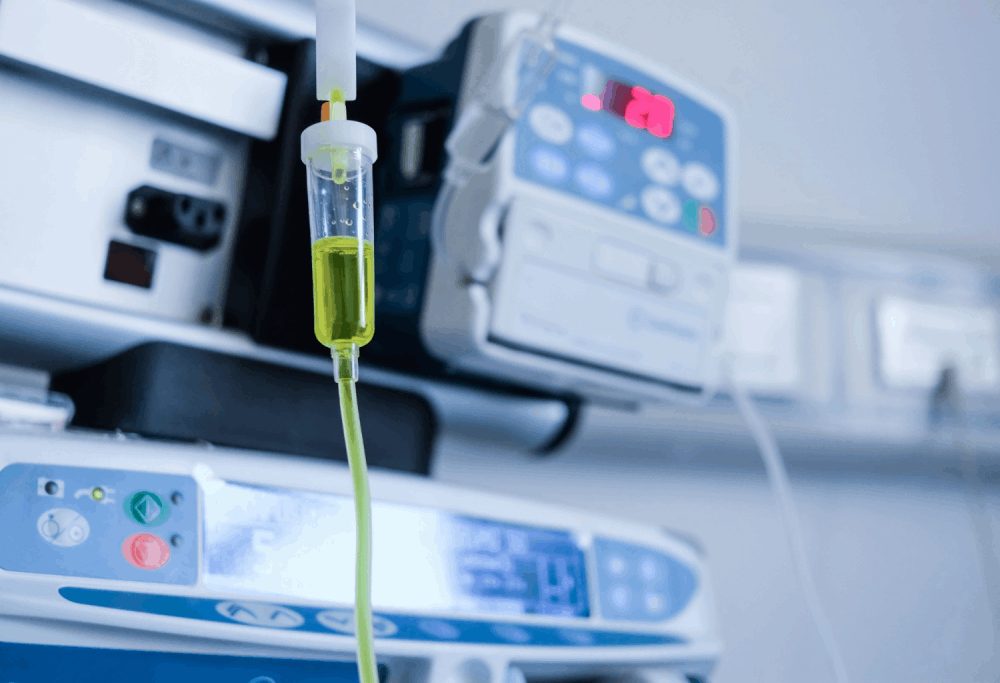
Our dialysis unit is built with modern medical infrastructure to ensure safe, efficient, and high-quality renal treatment for patients with varying medical needs. The combination of advanced dialysis equipment, trained medical professionals, and continuous multi-parameter monitoring systems allows us to deliver reliable dialysis services for both stable and critically ill patients.
Each patient is carefully assessed and monitored before, during, and after every dialysis session to prevent complications, manage risks, and ensure clinical stability. Our medical team follows standardized treatment protocols, strict hygiene standards, and advanced infection control practices to maintain a consistently safe and sterile treatment environment.
This structured and patient-centered care model ensures reliability, comfort, clinical safety, and long-term patient trust, making Sri Chakra Multispeciality Hospital a dependable center for comprehensive renal care services.
Types of Dialysis
Intermittent Hemodialysis (IHD)
In hemodialysis, blood circulates outside the body and passes through a machine with special filters that remove waste products and excess fluids. The blood is taken from the patient through a flexible tube called a catheter, which is inserted into a vein, and then safely returned to the body after filtration.
Peritoneal Dialysis (PD)
Peritoneal dialysis works through diffusion rather than blood filtration. A sterile dialysate solution rich in minerals and glucose is passed into the peritoneal cavity (the abdominal cavity surrounding the intestines). The peritoneal membrane, which acts as a semi-permeable membrane, allows waste products and fluids to pass into the solution, which is later drained from the body.
Continuous Ambulatory Peritoneal Dialysis
CAPD requires no machinery and can be performed by the patient or a caregiver. The dialysate fluid is left in the abdomen for up to 8 hours and then replaced with a fresh solution. This process is done daily, usually four to five times per day, allowing patients to continue normal daily activities.
Continuous Cyclic Peritoneal Dialysis
This method uses a machine to automatically exchange dialysis fluids. It is generally performed at night while the patient sleeps, offering greater convenience and comfort, especially for long-term dialysis patients.
Continuous Renal Replacement Therapy
CRRT is a continuous form of dialysis typically used for critically ill patients in ICU settings. It provides slow and continuous blood purification, making it safer for unstable patients.
Temporary Dialysis Support
Temporary dialysis is provided for patients who require short-term renal support due to sudden medical conditions. It is commonly used in cases of acute kidney failure, drug overdose, toxic substance exposure, traumatic kidney injury, or severe cardiac conditions affecting kidney function. This form of dialysis helps stabilize the patient until kidney function improves or further treatment is planned.
Temporary Dialysis Support
In certain medical conditions, dialysis may be required only for a limited period of time. Temporary dialysis is provided to patients who
Have sudden or acute kidney conditions
Have consumed toxic substances or suffered a drug overdose
Have experienced traumatic kidney injuries
Have severe chronic heart disease affecting kidney function
This short-term dialysis support helps stabilize patients and supports recovery until normal kidney function improves or further treatment is planned.